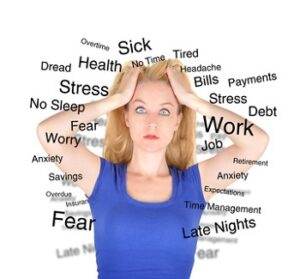
 Excessive, uncontrollable worry over events and activities and potential negative outcomes.
- Excessive anxiety and worry about a variety of events or activities, even when nothing is wrong or when the worry is disproportionate to actual risk.
- The worry is difficult to control
- The worry is associated with at least three (adults) or one (children) of the following physical or cognitive symptoms:
- Restlessness
- Fatigue
- Impaired concentration or feeling that mind is going blank
- Irritability
- Increased muscle aches or soreness
- Difficulty sleeping (trouble falling asleep or staying asleep)
- Sometimes associated with other physical symptoms such as nausea or diarrhea
- The anxiety and worry causes significant distress or interfere with the individual’s daily life, occupational, academic, or social functioning.
 A good relationship makes you feel secure, happy, cared for, respected, and free to be yourself; on the contrary, a toxic relationship make you feel drained, depleted, and sometimes even distraught. Then how do you know your relationship is toxic? There are many warning signs indicating you might have entered a toxic relationship.
  Cheating, whether is emotional infidelity or physical betrayal,
  Intimacy is not just about sex, it is the needs or desire to let others get close to you or connect with others emotionally, physically, and intellectually. That is, emotionally, you can share with your partner your innermost thoughts and vulnerability; physically, you are able to be affectionate with each other, including everything from hugging to holding hands to kissing to cuddling to sex; and intellectually, you like to exchange ideas and thoughts about what care about.
 Good communication is the foundation of a strong relationship, and yet communication problems could easily turn a relationship downhill and cause more stress. Common communication mistakes usually include
 All healthy relationships have boundaries. Setting boundary could be as small as saying “No” to a birthday party invitation; could be as big as your insistence on being respected for your own decisions. When you make it clear to your partner about who you are, what you want, your beliefs, your limits
  Codependency is also known as “relationship addiction” because codependent people often form or maintain relationships that are one-sided, emotionally destructive and / or abusive. The emotional and behavioral condition of codependency affects an individual’s ability to have a healthy and mutually satisfying relationship.